Seamless Organic Botanical Micro Pattern: A Minimalist Asset for Modern Design
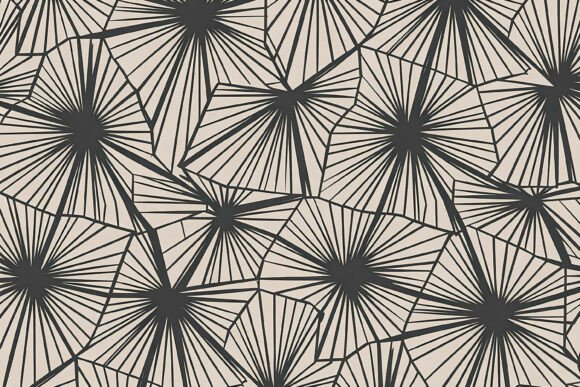
Pattern design has a way of shaping the atmosphere of a space or product. When done well, it feels intentional, calming, and versatile. The Seamless Organic Botanical Micro Pattern is one such offering that blends botanical motifs with Scandinavian minimalism. Designed at 5760x5760 pixels, this vector-based tileable background brings together hand-drawn floral elements and abstract natural forms into a cohesive, monochrome texture.
This article evaluates the pattern as a practical resource for creators, publishers, and small business owners. We will look at its characteristics, real-world applications, strengths, and potential limitations so you can decide whether it fits your workflow or audience.
What defines the Seamless Organic Botanical Micro Pattern
At its core, this pattern is a botanical vector composed of organic shapes. The design size of 5760x5760 pixels is worth noting, as it provides a sufficiently large canvas for high-resolution outputs. Whether you are working on print-on-demand products or digital backgrounds, the resolution supports crisp reproduction.
The monochrome palette is deliberate. Black-and-white line art and bio form illustrations create a restrained aesthetic that aligns with Scandinavian design principles. There is no excess color to distract from the structure of the motifs. Instead, the pattern relies on contrast, spacing, and the interplay of hand-painted details.
What makes it distinctive is the micro-plant art approach. The elements are not large, imposing florals but smaller, delicate drawings that repeat in a simple tile format. This allows the pattern to function as a background rather than a focal point, making it suitable for contexts where subtlety matters.
Key characteristics worth examining
Understanding the pattern’s features helps in assessing its fit for various projects. Here are the primary characteristics observed:
- Tileable and seamless: The pattern repeats without visible seams, which is essential for wallpaper, fabric, and digital paper use.
- Monochrome palette: Only black and white are used, offering neutrality and adaptability.
- Hand-drawn aesthetic: The floral and organic shapes appear sketched, giving a natural, imperfect feel.
- Scandi minimalist influence: The layout and negative space reflect Nordic design sensibility.
- High resolution: 5760x5760 pixels allows for large prints without pixelation.
- Vector format: Scalable and editable for those who work with design software.
These characteristics collectively make the pattern a practical resource for anyone working in surface design, interior styling, or digital content creation.
Practical applications and audience fit
One of the strongest aspects of this pattern is its adaptability. Because the design is neutral and subtle, it can be applied across different product categories without overwhelming the final piece.
Home decor and interior design
For those involved in modern nursery decor, the pattern offers a gentle, nature-inspired backdrop that is not overly childish. It works well as wallpaper, wall art, or upholstery fabric. The monochrome palette also fits easily into rooms that already have a defined color scheme, adding texture without clashing.
Scandi-inspired interiors benefit from this kind of micro pattern because it aligns with the preference for clean lines, natural elements, and restrained ornamentation. If you are a blogger or interior stylist showcasing mood boards, this pattern can serve as a reliable texture layer.
Print-on-demand and KDP interior design
Entrepreneurs and publishers working with Kindle Direct Publishing or print-on-demand platforms will find the pattern useful for low-content books, journals, and notebook interiors. The tileable nature means you can fill pages efficiently while maintaining a professional look.
The design is also appropriate for scrapbook papers and digital paper packs. Because it is seamless, it integrates well into layouts where repetition is needed, such as backgrounds for planners or printable wall art.
Fabric and textile design
Small business owners in the fabric market may appreciate the hand-drawn quality. The pattern can be used for apparel, accessories, or home textiles. The monochrome nature means it works on a range of base fabric colors, from white to dark neutrals.
That said, the design is delicate. On fabric, the fine lines may require careful printing to maintain clarity, especially on textured materials. Testing on different substrates is recommended before committing to a production run.
Digital backgrounds and branding
Freelancers and graphic designers can use the pattern as a tileable background for websites, social media graphics, or brand assets. The subtle texture adds depth without distracting from foreground content. For bloggers and educators creating digital resources, this pattern provides a professional, calm backdrop for worksheets, slides, or course materials.
Quality, usability, and flexibility
The pattern succeeds in fulfilling its purpose as a seamless background. The tile works well for large surfaces, and the 5760x5760 pixel resolution supports high-detail printing. When viewed at actual size, the hand-painted details remain readable, which is a common concern with micro patterns that can become muddy when scaled down.
The vector format is a significant advantage. If you have access to editing software like Adobe Illustrator or Affinity Designer, you can adjust the scale, rotate elements, or change the contrast. This makes the pattern more flexible than a static raster image. However, if you work exclusively with raster-based tools, the file may still be usable as a large PNG or JPEG depending on the format provided.
One nuance worth noting is the pattern density. Because the design is micro in scale, it may appear sparse when used on very large surfaces such as a feature wall. Adjusting the repeat size in your software can compensate for this, but out of the box, it is best suited for smaller applications or as a secondary texture layer.
Real-world performance and consistency
When tested across different output types, the pattern performs consistently. On digital screens, the black-and-white contrast remains sharp. In print, the line work holds up well on matte paper and smooth fabrics. The seamless repeat is reliable, with no visible breaks or misalignments when properly tiled.
For KDP interiors, the pattern works as a background for journals or notebooks, though it may increase printing costs slightly depending on the page count and ink coverage. This is a practical consideration for publishers who are price-conscious. Using the pattern as a partial background or accent rather than a full-page coverage may be a reasonable compromise.
In scrapbooking and digital paper use, the pattern adds an organic, handcrafted feel that contrasts nicely with rigid geometric elements. It pairs well with solid colors or other monochrome textures. The design does not compete with photographs or typography, which is a sign of thoughtful composition.
Strengths that stand out
- Versatility across product types: From fabric to digital paper, the pattern adapts without losing coherence.
- High resolution and vector support: Suitable for professional scaling and editing.
- Minimalist and neutral: Fits a wide range of aesthetics, from rustic to modern.
- Seamless repeat: Saves time on layout and alignment adjustments.
- Hand-drawn organic feel: Adds a human touch that purely geometric patterns lack.
Possible limitations to consider
No design asset is universally perfect, and this pattern has aspects that may not suit every project. The monochrome palette, while versatile, will not appeal to those looking for vibrant or multicolored backgrounds. If your brand or product relies on bold color, this pattern may feel too subdued.
The micro scale also means the pattern can appear repetitive when used on large-format applications without scaling. If you are designing a poster or a large wall hanging, you may need to enlarge the pattern significantly, which could reduce the impact of the hand-drawn details.
Additionally, the hand-painted style, while charming, may not align with more polished, geometric, or ultra-modern design languages. It is best suited for projects that embrace organic imperfection and natural motifs.
Professional observations and recommendations
For those who work regularly with surface patterns, this asset offers reliable quality. It is not a standalone design solution but rather a foundational texture that can be layered, scaled, and combined with other elements. Its strength lies in its subtlety and the care taken in the line work.
If you are a small business owner creating a cohesive product line, consider using this pattern as a unifying element across different items — notebooks, wall prints, fabric accessories, and packaging. The consistency of the repeat and the neutral palette makes it easy to build a mini-collection around.
Designers working on nursery or children’s products should evaluate the scale relative to the intended age group. For younger children, the fine lines may not be visually engaging unless paired with larger graphic elements. For older children or adults, the pattern provides a calm, sophisticated backdrop.
If you are a freelancer or marketer creating digital content, the pattern can serve as a background for quote cards, presentation slides, or email headers. Keeping the density low and placing content in areas with less pattern coverage will maintain readability.
Long-term value and relevance
The pattern’s minimalist and organic style is likely to remain relevant because it does not depend on seasonal colors or short-lived trends. Scandinavian and botanical aesthetics continue to have a steady following in interior design and lifestyle markets. This gives the asset a longer shelf life compared to patterns tied to specific fads.
The vector format also contributes to its longevity. As software evolves, vector files remain editable and scalable, meaning the pattern can be adapted to future applications or formats without losing quality. For creators who build a library of reusable assets, this pattern adds a reliable option for neutral, nature-inspired backgrounds.
That said, the pattern is not a comprehensive design system on its own. It works best as part of a broader toolkit. If you are building a large collection of patterns for commercial use, this one fills a specific niche: subtle, organic, and monochrome. It does not compete with patterns that rely on bold shapes or multiple colors, and it should not be expected to.
Final assessment
The Seamless Organic Botanical Micro Pattern is a well-executed design asset for creators who need a subtle, tileable botanical background. Its hand-drawn details and minimalist structure make it suitable for modern nursery decor, KDP interiors, fabric design, digital paper, and branding projects. The monochrome palette and high resolution provide flexibility across physical and digital applications.
For professionals, entrepreneurs, and hobbyists alike, this pattern offers reliable performance with the added benefit of vector scalability. While it may not suit projects that require bold color or large-scale impact, it excels as a versatile, long-term resource for those who appreciate restrained organic design.
Consider your specific output requirements, testing the pattern at different scales and on different substrates before incorporating it into final production. When used with intention, this pattern can add a refined, natural texture to a wide range of creative work.